
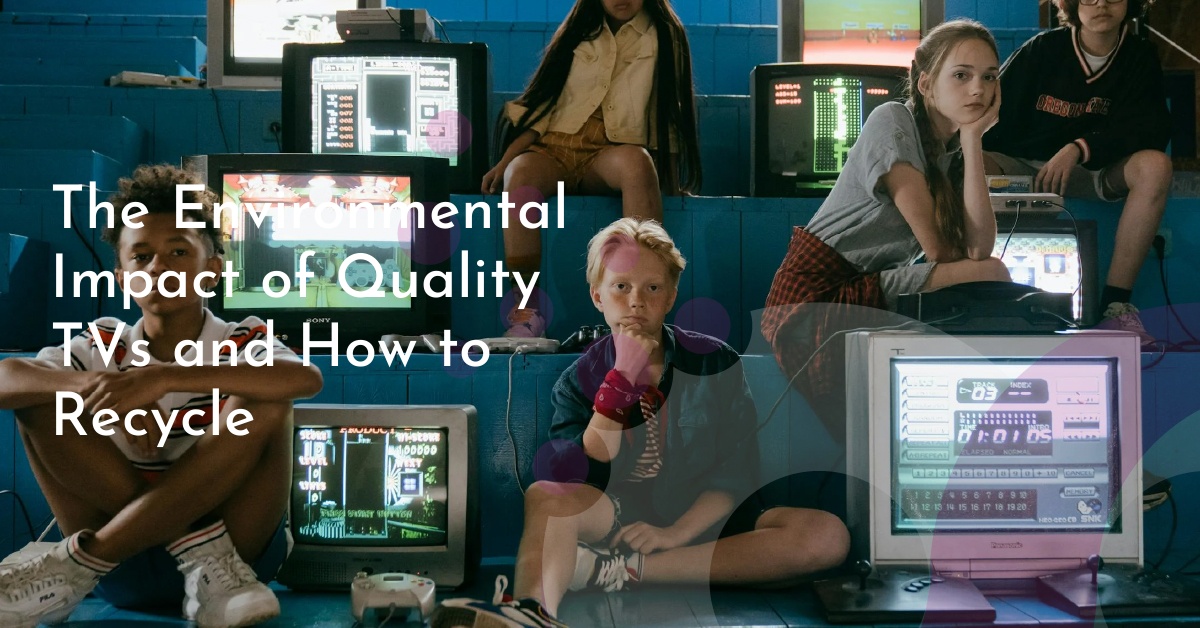
We, as responsible citizens, need to address the environmental impact of quality TVs and take steps to recycle them properly. TVs, especially older ones like CRTs, contain toxic materials that can harm the environment if not disposed of correctly. Additionally, computers and modern televisions contribute to the growing e-waste problem, with many of these devices ending up in landfills.
Recycling is the most effective way to responsibly dispose of TVs and prevent further harm to our environment. CRTs, in particular, contain hazardous substances such as lead, cadmium, and other toxic chemicals that need to be separated and safely disposed of. However, the glass panels of CRTs can be reused, and the lead can be recycled, minimizing their impact on the environment.
Flat-screen TVs, like LCD, LED, and plasma TVs, also contain toxic chemicals, but they are generally easier to recycle. These TVs can provide valuable salvageable materials such as plastics, electronics, and microchips. By recycling TVs, we ensure that these materials can be reused in the production of new TVs, reducing the demand for extracting new resources and minimizing the overall environmental impact.
Furthermore, recycling TVs plays a crucial role in preventing toxic chemicals from leaking into the land, water, and air. It helps create a safe and sustainable environment for future generations. However, recycling CRT TVs does come with some challenges. The market for CRT TVs and their materials has significantly diminished, making the recycling process more difficult and expensive.
To properly recycle CRT TVs, it is important to take them to specialized recycling facilities that can handle their unique requirements for safe handling and disposal. While there may be a fee associated with recycling CRT TVs, this investment ensures that these hazardous materials are managed in an environmentally responsible way.
By joining us in recycling quality TVs, we can contribute to a sustainable future, reduce e-waste, and protect the environment for generations to come. Let’s make a difference together and take the necessary steps to recycle TVs responsibly.
Understanding the Environmental Impact of Older TVs
3. TVs, especially older ones like CRTs, have a significant environmental impact due to the toxic materials they contain. These older TVs contribute to the growing issue of e-waste, as many of these devices end up in landfills, releasing harmful chemicals into the environment. As we continue to upgrade our TVs to newer models, it becomes crucial to address the environmental consequences of discarding the older ones.
4. CRTs, in particular, present unique challenges when it comes to environmental impact. These TVs contain lead, cadmium, and other toxic chemicals that need to be properly separated and safely disposed of. However, it’s worth noting that the glass panels of CRTs can be reused, and the lead can be recycled, minimizing waste and creating a more sustainable practice. While flat-screen TVs also contain toxic chemicals, they are generally easier to recycle compared to CRTs.
| Older TVs | Environmental Impact | E-Waste Contribution |
|---|---|---|
| CRTs | Contain toxic chemicals | Difficult to recycle due to diminished market |
| Flat-screen TVs | Contain toxic chemicals | Can be salvaged for reusable materials |
5. Recycling older TVs is essential in ensuring that salvageable materials can be repurposed for new TVs, reducing the impact on the environment. By recycling these devices, we prevent toxic chemicals from leaking into the land, water, and air, preserving a safe and sustainable environment for future generations. While the market for CRT TVs and their materials has diminished, it’s still crucial to properly dispose of them, even if it comes with a fee. Taking these TVs to specialized recycling facilities ensures their safe handling and disposal, minimizing the potential harm they can cause.
The Importance of Recycling Quality TVs
4. TVs, especially older models like CRTs, have a significant environmental impact due to the toxic materials they contain. When these devices end up in landfills, they release harmful chemicals into the environment, contributing to e-waste. To combat this issue, responsible disposal through recycling is crucial.
5. CRT TVs, in particular, contain toxic chemicals like lead and cadmium, which need to be separated and safely disposed of. However, the glass panels of CRTs can be reused, and the lead can be recycled. On the other hand, flat-screen TVs, such as LCD, LED, and plasma TVs, contain salvageable materials like plastics, electronics, and microchips, which can be recycled or reused.
| Types of TVs | Recyclable Materials |
|---|---|
| CRT TVs | Glass panels (reusable), lead (recyclable) |
| Flat-screen TVs (LCD, LED, plasma) | Plastics, electronics, microchips (recyclable) |
6. Recycling a TV not only ensures that salvageable materials can be used for new TVs, but it also reduces the overall impact on the environment. By preventing toxic chemicals from leaking into the land, water, and air, we can create a safer and more sustainable environment for future generations. However, it’s important to note that the market for CRT TVs and their materials has diminished, making CRT recycling more challenging and expensive. Therefore, it is crucial to properly dispose of these TVs by taking them to specialized recycling facilities that can handle and dispose of them safely.
Recycling Process for CRT TVs
5. As we mentioned earlier, CRT TVs pose unique challenges when it comes to recycling due to the presence of toxic chemicals. To ensure responsible disposal and prevent these harmful substances from leaking into the environment, a specialized recycling process is required.
6. When you take a CRT TV to a recycling facility, they will first separate it into various components. The glass panels, which are made of leaded glass, can be reused in the production of new CRT TVs or other glass products. This helps reduce the need for extracting and manufacturing new materials.
7. The next step is to safely extract and dispose of the toxic chemicals found in CRTs. These include lead, cadmium, and other hazardous substances. Specialized equipment and processes are used to ensure the safe handling and disposal of these materials, preventing them from entering the environment and causing harm.
| Materials | Reuse/Recycling Method |
|---|---|
| Leaded glass panels | Reused in production of new CRT TVs or other glass products |
| Lead | Recycled for use in batteries, ammunition, and other products |
| Cadmium and other toxic chemicals | Safely extracted and disposed of using specialized processes |
8. By recycling your CRT TV and ensuring these toxic materials are properly handled, you contribute to a safer and more sustainable future. Recycling not only reduces the impact on the environment but also prevents the release of harmful substances that can pollute our land, water, and air.
Summary:
- The recycling process for CRT TVs involves separating the glass panels for reuse and safely disposing of toxic chemicals.
- Leaded glass panels can be reused in the production of new CRT TVs or other glass products.
- Toxic chemicals like lead and cadmium are extracted and disposed of using specialized processes.
- Recycling CRT TVs reduces the environmental impact and prevents the release of harmful substances.
Recycling Process for Flat-Screen TVs
6. When it comes to recycling flat-screen TVs, including LCD, LED, and plasma TVs, it’s essential to understand the process and the salvageable materials that can be recovered. Recycling a TV ensures that valuable resources are not wasted and that the environment is protected from the harmful chemicals found in these devices.
Unlike older CRT TVs, flat-screen TVs contain toxic chemicals that need to be handled with care during the recycling process. However, modern technology has made it easier to recycle these types of TVs. The main focus is on salvaging materials such as plastics, electronics, and microchips, which can be reused or recycled to create new products. By extracting these valuable components, we reduce the demand for raw materials and minimize the impact on the environment.
To facilitate the recycling process, specialized recycling facilities use advanced techniques to dismantle flat-screen TVs. The devices are disassembled, and the components are sorted for further processing. Plastics are separated for recycling, while electronics and microchips are carefully handled to extract valuable metals like gold, silver, and copper. These metals can be reused in various industries, reducing the need for mining and the associated environmental impact.
Table: Salvageable Materials from Flat-Screen TV Recycling
| Materials | Potential Reuse or Recycling |
|---|---|
| Plastics | Recycled for new products |
| Electronics | Extracted for valuable metals |
| Microchips | Reused or recycled for their components |
By following the proper recycling process for flat-screen TVs, we can significantly reduce the environmental impact of these devices. By salvaging materials that would otherwise end up in landfills, we help conserve resources and minimize the release of toxic chemicals into the environment. Join us in recycling quality TVs to create a safe and sustainable future for generations to come.
Challenges in Recycling CRT TVs
7. Recycling CRT TVs presents unique challenges due to the toxic materials they contain and the changing market demand. CRTs, or cathode ray tube TVs, contain hazardous substances like lead and cadmium, which require specialized handling and disposal to prevent environmental contamination. However, as technology advances and flat-screen TVs become more prevalent, the demand for CRTs has significantly declined. This diminished market for CRTs and their materials poses challenges for the effective and cost-efficient recycling of these older televisions.
Recycling Process for CRT TVs
To recycle CRT TVs, specialized facilities are necessary to safely extract and dispose of the toxic components. The recycling process involves carefully removing the leaded glass tubes and separating them from other materials. The glass panels, which can be reused, are sent for further processing. The lead, a valuable and hazardous material, is extracted and recycled to minimize its impact on the environment. However, due to the decreasing demand for CRTs, finding recycling centers equipped to handle these TVs can sometimes be difficult, leading to logistical challenges in the recycling process.
Furthermore, these specialized recycling facilities incur costs to ensure safe handling and disposal of CRTs. Because of the hazardous nature of the materials involved, many recycling centers charge a fee for accepting and recycling CRT TVs. This cost is necessary to cover the expenses associated with maintaining the proper infrastructure and expertise required for the safe recycling of these devices.
| Challenges in Recycling CRT TVs | Solutions |
|---|---|
| Diminished market demand for CRTs and their materials | Encourage and promote responsible disposal of CRT TVs, raise awareness about the environmental impact of improper disposal. |
| Limited availability of specialized recycling facilities | Collaborate with government agencies and electronics manufacturers to establish more recycling centers equipped to handle CRT TVs. |
| Cost associated with handling and recycling CRT TVs | Advocate for extended producer responsibility programs that allocate the costs of proper disposal to manufacturers and incentivize them to adopt more sustainable practices. |
Despite the challenges, it is crucial to prioritize the responsible disposal of CRT TVs to protect our environment and reduce the release of harmful substances into the ecosystem. By working together to overcome these obstacles, we can ensure that CRT TVs are recycled safely and sustainably, contributing to a cleaner and greener future for all.
Creating a Safe and Sustainable Future
8. In our pursuit of a safe and sustainable environment, responsible disposal of TVs plays a crucial role. With the significant environmental impact of TVs, especially older models like CRTs, it is imperative that we take action to prevent further harm. TVs, computers, and modern televisions are contributing to the growing issue of e-waste, with many of these devices ending up in landfills and releasing harmful chemicals into the environment.
Recycling is the most effective way to responsibly dispose of TVs and reduce their impact on the environment. CRTs, for instance, contain toxic materials such as lead, cadmium, and other harmful chemicals. To safeguard the environment, these components must be separated and safely disposed of. Additionally, the glass panels found in CRTs can be reused, and the lead can be recycled. Similarly, flat-screen TVs, including LCD, LED, and plasma TVs, contain toxic chemicals, but they are generally easier to recycle.
By recycling TVs, we can ensure that salvageable materials, such as plastics, electronics, and microchips, can be repurposed for new TVs or recycled for other purposes. This not only reduces the overall impact on the environment but also prevents toxic chemicals from leaking into the land, water, and air. However, it is important to be aware that the market for CRT TVs and their materials has diminished, making recycling more challenging and expensive.
Proper disposal of TVs is essential for creating a safe and sustainable environment for future generations. It is crucial to understand that recycling CRT TVs comes with a fee, and they must be taken to specialized recycling facilities. This ensures the safe handling and disposal of these devices, protecting both the environment and human health. Let us join together in recycling quality TVs and working towards a bright and sustainable future for all.
Conclusion: Join Us in Recycling Quality TVs
At Visual Infinnity, we believe in building a safe and sustainable future for generations to come. That’s why we’re calling on you to join us in recycling quality TVs. By responsibly disposing of these devices, we can significantly reduce e-waste and minimize their environmental impact.
Older TVs, especially CRTs, contain toxic materials like lead and cadmium that can harm our environment. Through recycling, these hazardous substances can be separated and safely disposed of, while glass panels and lead can be reused and recycled. Flat-screen TVs, such as LCD, LED, and plasma TVs, also contain toxic chemicals, but they are generally easier to recycle. By salvaging materials like plastics, electronics, and microchips, we can give them a new life.
Recycling a TV not only ensures that salvageable materials are used for new TVs but also prevents toxic chemicals from leaking into our land, water, and air. Together, we can create a safe and sustainable environment. However, it’s important to note that recycling CRT TVs comes with a fee, and they must be taken to specialized recycling facilities for proper handling and disposal.
So, let’s make a difference. Join us in recycling quality TVs and be a part of the solution. Together, we can protect our planet, reduce e-waste, and pave the way for a sustainable future. Together, we can make a lasting impact.

- Streamline Manufacturing with Scrum Master Certification - January 28, 2026
- Legacy Data Migration Strategy: Visualizing Data for Scalable Cloud Success - December 21, 2025
- Navigating New York’s Luxury Real Estate: A Guide to Premium Property Management - December 12, 2025
