
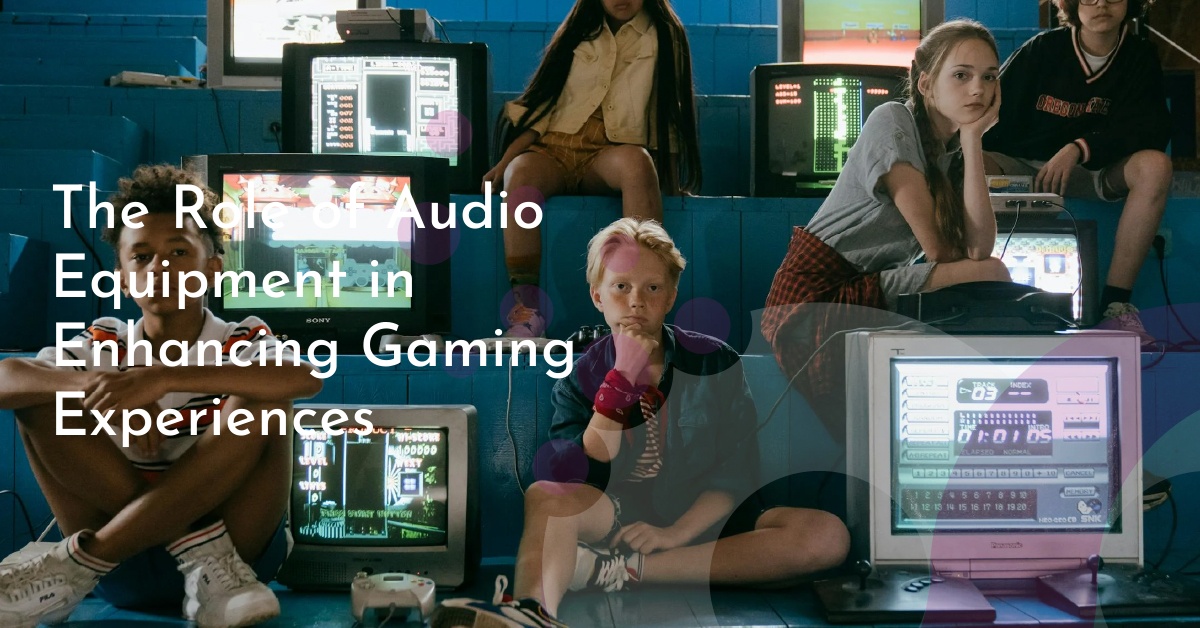
Audio equipment plays a crucial role in enhancing gaming experiences, elevating the level of immersion and enjoyment for players across various gaming platforms. The integration of audio-visual (AV) technology in gaming consoles has revolutionized how players perceive and engage with virtual environments. High-definition displays and realistic graphics create a sense of presence, while advanced audio systems with surround sound and positional audio provide immersive and tactical auditory experiences. The introduction of haptic feedback technology adds a tactile dimension, amplifying the emotional connection to gameplay. The evolution of gaming audio has gone from simple beeps and chiptunes to intricate soundtracks and dynamic sound effects that enhance storytelling and create immersive atmospheres. In multiplayer games, good audio quality can give players a strategic advantage, allowing them to hear and locate opponents before they are seen or heard. Overall, audio equipment enhances immersion in gaming and contributes to the overall enjoyment and success of players.
The Evolution of Gaming Audio
Over the years, gaming audio has evolved significantly, progressing from simple beeps and chiptunes to intricate soundtracks and dynamic sound effects that enhance storytelling and create immersive atmospheres. Audio technology has played a vital role in shaping the gaming industry, enhancing the overall gaming experience for players around the world.
Early video games relied on basic sound effects, using beeps and bloops to convey action and engage players. As technology advanced, game developers started incorporating chiptunes, synthesized music created using sound chips found in gaming consoles. These catchy melodies and energetic rhythms became an integral part of gaming culture, instantly recognizable and capable of evoking nostalgia.
As gaming consoles became more powerful, soundtracks and sound effects became more elaborate and sophisticated. Composers started creating original music specifically tailored to enhance the atmosphere and emotions of gameplay. From epic orchestral scores in fantasy role-playing games to adrenaline-pumping electronic beats in action-packed shooters, gaming soundtracks began rivaling the quality and impact of those in movies.
| Gaming Audio Evolution | Features |
|---|---|
| Simple Beeps and Chiptunes | Basic sound effects, synthesized music |
| Intricate Soundtracks | Original music tailored to gameplay, evoking emotions |
| Dynamic Sound Effects | Realistic and immersive audio, enhancing storytelling |
Dynamic sound effects have also become a crucial aspect of gaming audio. With advancements in technology, game developers can now create intricate soundscapes that mimic real-world environments. From the sound of footsteps echoing in a cave to the roar of an engine in a racing game, these realistic sound effects add depth and immersion to the gaming experience, making players feel like they are truly part of the virtual world.
In conclusion, gaming audio has come a long way since its humble beginnings. The evolution of audio technology has brought about more immersive soundscapes, captivating soundtracks, and dynamic sound effects that enhance the storytelling and create engaging atmospheres in video games. Whether it’s the nostalgia-inducing chiptunes or the epic orchestral scores, audio equipment continues to play a vital role in enhancing the overall gaming experience for players worldwide.
Immersive Sound and Surround Sound Systems
Immersive sound and surround sound systems are key components in gaming, allowing players to experience a realistic and multidimensional audio environment that enhances their sense of presence in virtual worlds. When you’re fully immersed in a game, accurate and high-quality sound reproduction is essential for creating a truly captivating experience.
Surround sound systems are designed to create a three-dimensional soundscape that mimics real-life audio perception. By strategically placing multiple speakers around the gaming area, these systems can reproduce sound from different directions, adding depth and immersion to gameplay. Whether it’s the subtle rustle of leaves or the distant sound of footsteps approaching, a well-calibrated surround sound setup helps players locate and identify in-game sounds with precision.
Modern gaming consoles and computers often support advanced surround sound formats, such as Dolby Atmos or DTS:X. These technologies take immersion to the next level by adding height channels to the traditional surround sound setup, allowing sound to be perceived from above as well. With compatible audio equipment, players can experience the sensation of sound moving above, around, and even behind them, making gameplay feel more lifelike and realistic.
| Benefits of Immersive Sound and Surround Sound Systems in Gaming |
|---|
| Enhanced immersion and sense of presence |
| Accurate sound localization and identification of in-game sounds |
| Realistic reproduction of audio environments |
| Heightened excitement and engagement |
| Improved spatial awareness and tactical advantage |
Positional Audio and Tactical Advantage
Positional audio systems in gaming provide players with the ability to accurately locate and identify in-game sounds, giving them a tactical advantage, particularly in intense multiplayer battles. These audio technologies utilize advanced algorithms and spatial mapping techniques to simulate realistic sound propagation, mimicking real-world auditory experiences. By accurately representing the direction, distance, and intensity of sound sources in the virtual environment, players can react faster and make better decisions based on audio cues.
In multiplayer games, where split-second decision-making can determine victory or defeat, positional audio becomes even more critical. With the help of surround sound systems and headphones, players can hear enemy footsteps, gunfire, and other crucial audio cues, allowing them to anticipate and respond to threats effectively. Being able to pinpoint the exact location of an opponent before they are seen or heard can give players a significant advantage in combat, enabling them to plan ambushes, coordinate team strategies, or avoid dangerous encounters.
To fully leverage the tactical advantage provided by positional audio, it is important to choose audio equipment that is compatible with the game’s audio technologies. Headsets with multiple drivers or virtual surround sound capabilities, along with dedicated software for fine-tuning audio settings, can enhance the accuracy and precision of positional audio. Additionally, acoustic environments within the game, such as echoing hallways or outdoor settings, further contribute to the immersive experience and strategic decision-making.
Positional audio not only adds depth and realism to gaming experiences but also enhances the overall immersion and engagement of players. By combining visual and auditory cues, players can fully embrace the virtual world and react instinctively to their surroundings. Whether it’s a stealthy approach to the enemy’s base or a high-intensity firefight, the tactical advantage provided by positional audio empowers players to take control of their gameplay and emerge victorious.
| Benefits of Positional Audio in Gaming | Examples |
|---|---|
| Accurate Localization | Identifying the exact location of enemy footsteps for strategic positioning. |
| Directional Awareness | Hearing gunshots from different directions to determine enemy positions and plan accordingly. |
| Environmental Interaction | Listening to environmental cues like opening doors or falling objects to anticipate enemy movements. |
| Team Communication | Delivering clear and precise audio cues to teammates for effective coordination and teamwork. |
Haptic Feedback and Emotional Connection
Haptic feedback technology in gaming adds a tactile dimension to gameplay, enhancing the emotional connection and overall immersion for players, making the gaming experience more engaging and interactive. With haptic feedback, players can feel the impact of in-game actions, whether it’s the vibrations of a racing car engine or the rumble of an explosion. This physical feedback creates a deeper connection between players and the virtual world, allowing them to experience the game on a more sensory level.
By adding a sense of touch to gameplay, haptic feedback enhances the realism and immersion of gaming experiences. It allows players to feel the weight and impact of their actions, intensifying their emotional responses. The sensation of a sword clash or the gentle breeze on the player’s face can evoke a range of emotions, from excitement and adrenaline to tranquility and awe.
In addition to heightening the emotional connection, haptic feedback also provides valuable gameplay cues. For example, a subtle vibration in a racing game can indicate a loss of traction, prompting the player to adjust their driving strategy. In shooting games, haptic feedback can simulate the recoil of a weapon, providing crucial feedback on the success of a shot. These tactile cues not only enhance the gameplay experience but also contribute to a player’s performance by providing valuable information in real-time.
| The Benefits of Haptic Feedback in Gaming | |
|---|---|
| Enhances emotional connection to gameplay | |
| Improves immersion and realism | |
| Provides valuable gameplay cues | |
| Enhances overall gaming experience |
Choosing the Best Audio Equipment for Gaming
When it comes to choosing the best audio equipment for gaming, there are several factors to consider. First and foremost, audio quality is paramount. Investing in high-quality speakers or headphones will ensure that you can fully appreciate the immersive sound design and intricate details of the game. Crystal-clear audio will enhance your gaming experience, allowing you to hear every footstep, gunshot, and explosion with precision.
Compatibility is another crucial factor to keep in mind. Make sure that the audio equipment you choose is compatible with your gaming platform, whether it’s a console, PC, or mobile device. Check for compatibility with popular gaming systems and ensure that the connection options align with your setup.
Surround sound capabilities are essential for creating an immersive auditory experience. Look for audio equipment that supports surround sound formats, such as Dolby Atmos or DTS:X. These technologies deliver multidimensional audio, allowing you to pinpoint the direction of in-game sounds and feel fully immersed in virtual worlds.
Lastly, consider additional features that can enhance your overall gaming experience. Some audio equipment comes with built-in equalizers, customizable profiles, or software that allows you to fine-tune the audio settings according to your preferences. These features can further tailor the sound to your liking and provide a personalized gaming experience.
By considering these factors, you can choose the best audio equipment for gaming that suits your needs and preferences. Remember, audio plays a crucial role in enhancing gaming experiences, so investing in top-notch equipment will elevate your gameplay to new heights.

- Streamline Manufacturing with Scrum Master Certification - January 28, 2026
- Legacy Data Migration Strategy: Visualizing Data for Scalable Cloud Success - December 21, 2025
- Navigating New York’s Luxury Real Estate: A Guide to Premium Property Management - December 12, 2025
